Animal world
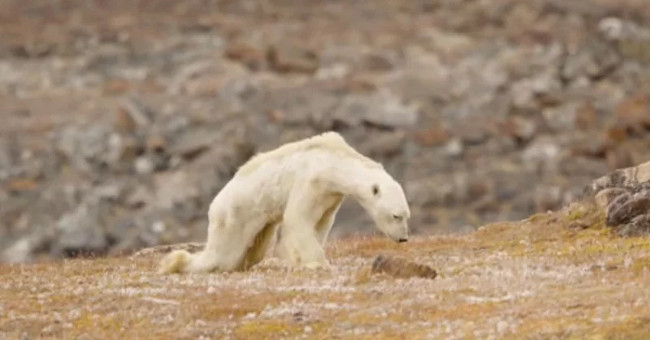
The polar bear is about to starve to controversy among experts
The skinny bear is rummaging through a trash can seen as a symbol of the impact of climate change.
Browse ScienceInfo articles and explainers related to Polar Bear.
63 published items.
The skinny bear is rummaging through a trash can seen as a symbol of the impact of climate change.
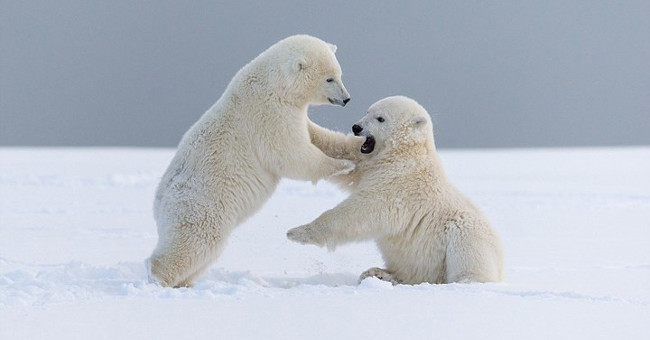
The toxic Arctic waste is a major threat to polar white bears, which can lead to status
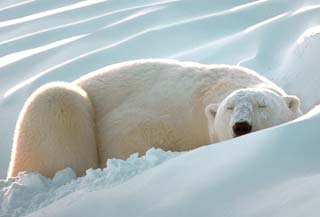
Winter in the Arctic, temperatures drop very low, accompanied by very scarce foods. When the ambient temperature drops, it is difficult to find food, polar bears start t…
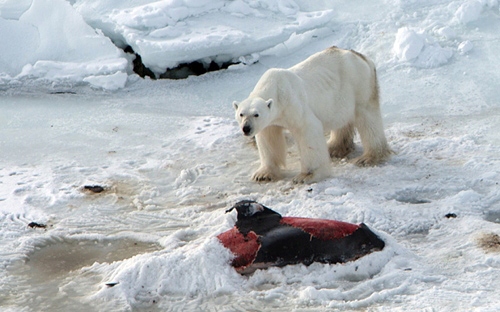
Norwegian scientists have for the first time discovered polar bears eating dolphin meat, due to the decline in food in their habitat.
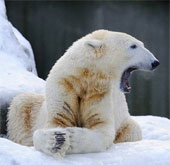
Research shows that chemical pollutants have weakened the penis, causing the polar bear to become extinct.
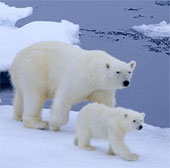
Track populations of polar bears in very heavy and dangerous frost conditions. This work has become softer when monitoring them from space.
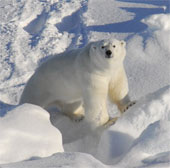
A recent study of polar white bears shows that their ability to avoid cardiovascular disease is many times better than humans.
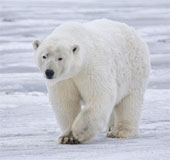
Bears that can fast for many days or have black fur when viewed under purple light are interesting points about polar bears.
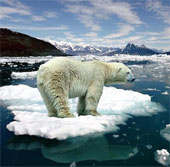
The disappearance, mutation of many animals is considered a warning signal to the Earth about the negative changes of climate ...
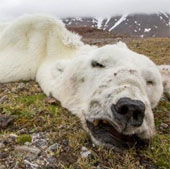
Biologists have discovered the body of a polar bear who died in a state of
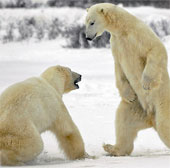
If you have a strong voice and enjoy outdoor work, you can apply for a polar bear search position on a Norwegian island.
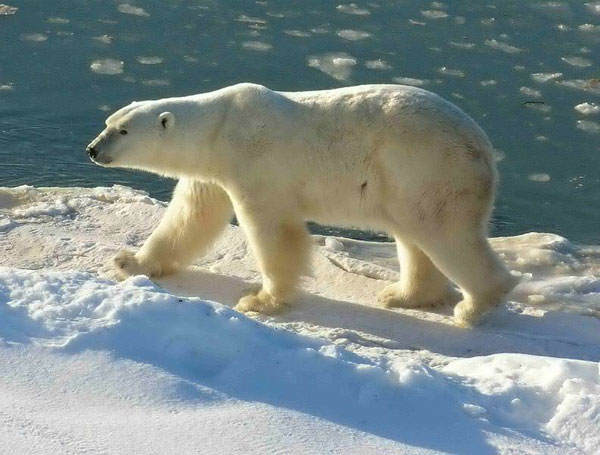
Polar bears and brown bears have split into two separate branches about 4 to 5 million years ago, but they still hybridize when the weather gets warmer. And now, experts…
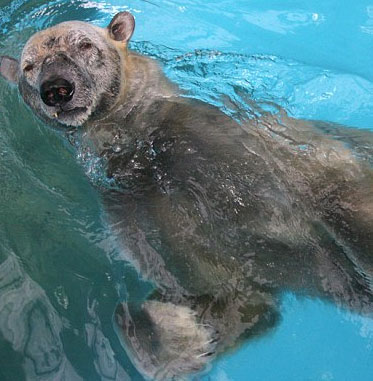
Scientists from the US Geological Survey (USGS) have attached GPS tracking devices to the necks of more than 500 female polar bears in the Beaufort Sea, Alaska. After 5…
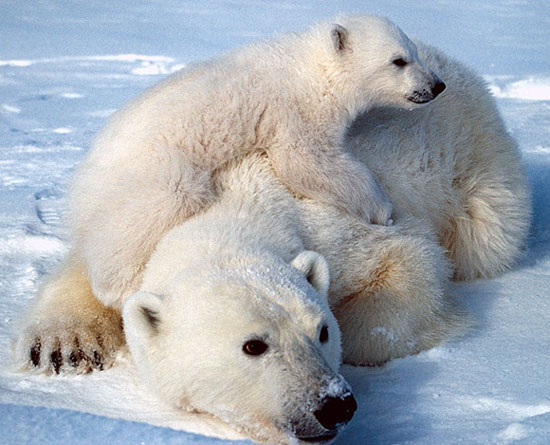
Polar bears will soon be included in the special protection list under Canada's Endangered Species Act.
A polar bear had to swim for 9 consecutive days, with a 687km long distance, a new study published in Polar Biology magazine said.